
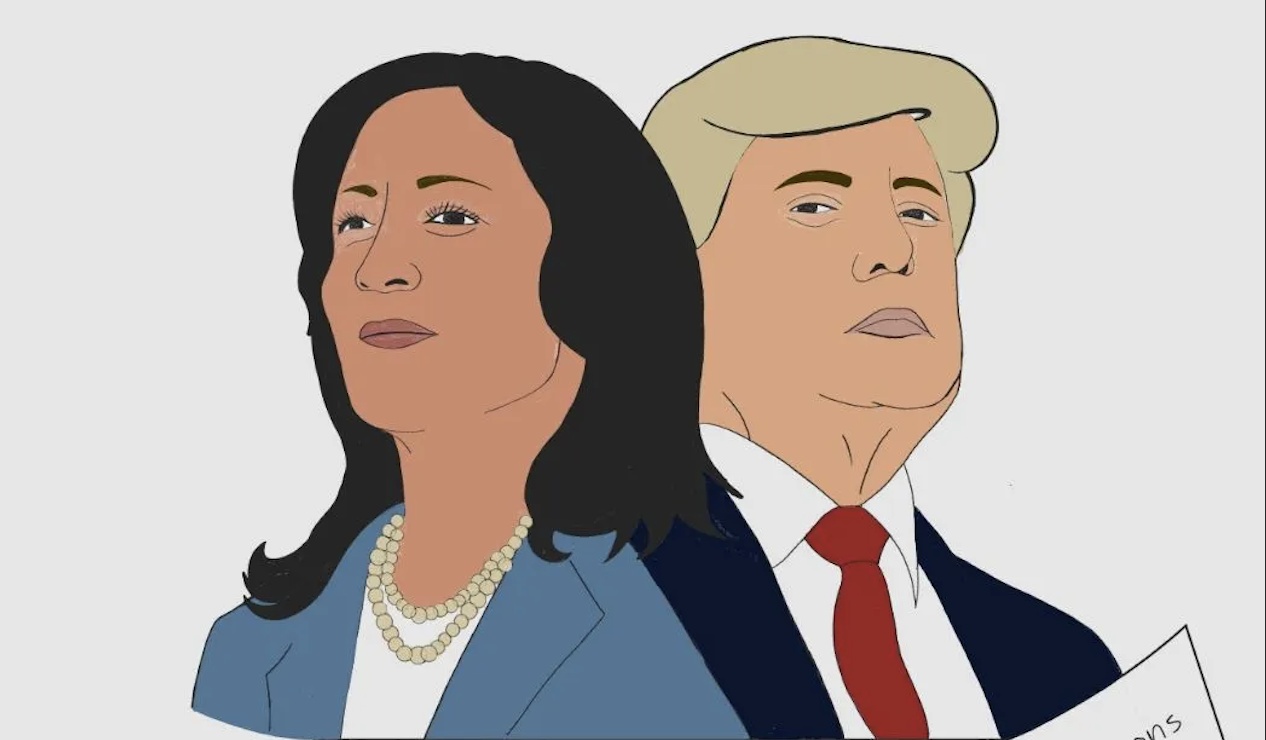
As written by the Triple Helix Journal Executive Board in 2024 and published by the Triple Helix Journal,
College campuses have long been vital spaces for dialogue and reflection on policy and current events, especially in times of pivotal political events like presidential elections. At Carnegie Mellon University (CMU), the Triple Helix Executive Board aimed to create such a space by hosting a post-election tabling event on the Cut to provide students with an open, anonymous forum to share their unfiltered thoughts and reflections. Under the banner, “Have thoughts on the election?” students were invited to anonymously share their reactions to the election results through index card submissions.
While this event garnered numerous responses, some students expressed their hesitation to participate, even anonymously, due to not having voted, feeling uncomfortable sharing their opinions publicly, or feeling removed as non-U.S. citizens.
Despite these limitations, this initiative sparked dialogue and reflection among students. The executive board sought to capture the diverse post-election emotions and reflections among students and succeeded.
However, it is important to note that this project does not represent the entirety of CMU. Participation was naturally skewed toward students present during tabling hours, particularly those with stronger opinions or more availability. Peer dynamics likely influenced responses as well; as a result, the responses collected cannot be generalized to represent the broader CMU community or the wider Pittsburgh population.
Nevertheless, the project positioned the Triple Helix as a platform for elevating diverse perspectives and fostering thoughtful discourse. It also laid the groundwork for future initiatives, reinforcing the importance of critical thinking and student engagement.

Emotional Responses
The emotions expressed through the responses varied widely, highlighting the diversity of student reactions to election results. Of the 45 responses collected, four indicated that they were surprised by the election results. However, the responses varied in what aspects of the election they were surprised about. Some students indicated surprise about Trump’s significant margin of victory while others were in disbelief about Trump winning at all. Students attributed their surprise to the echo chamber effect of Carnegie Mellon’s predominantly Democratic student body, leading to overconfidence in Vice President Harris’s campaign.
Thirteen of the forty-five responses expressed some level of disappointment about the outcome, citing reasons such as a perceived disconnect between election predictions and reality, a loss of confidence in the system, and dissatisfaction with the values associated with President Donald Trump. These comments reflected uncertainty and apprehension, highlighting the emotional toll of the political climate on CMU students.

Reflection and Recommendations
Beyond their emotional reactions, students shared their thoughtful reflections on the election’s implications. Several respondents critiqued the Democratic Party, with one stating that “moral superiority” and alienating certain demographics contributed to their loss. Others mentioned that the party’s rhetoric, at times, demonized groups outside its typical base, creating further divisions. Some participants shared recommendations for future elections by highlighting the need for more funding for education and emphasizing respect for all Americans.
We also received several comments concerning the growing polarization in America, both between and within political parties. One respondent expressed concern about democracy’s ability to thrive under President Trump, noting that Trump “[having] so many enemies” is a potential challenge to democratic governance. Concerns about partisanship, polarization, and division in America have been well-documented in past years, and it seems that these concerns have only grown stronger after this year’s election.
While the reflections expressed above were the most common, some respondents expressed unique takes that showed campus diversity. One respondent expressed happiness about the election’s outcome, but also mentioned concerns about environmentalism and AI safety — issues particularly relevant to CMU’s prominent and prestigious programs. Others expressed relief that the election was over, while a few pointed out the importance of local politics over national debates. However, the most unique comment goes to “I want a lobotomy.”

Takeaways
The responses collected through our project revealed a wide spectrum of emotions among CMU students. While fear and uncertainty were the most prevalent, the student submissions showcased the diverse ways individuals are processing this pivotal moment. In the days following the election, students used the Fence — a CMU tradition — as a platform to express their feelings. Messages like “Stay Strong,” “The Silent Majority Spoke,” and “We Will Reclaim the Future” reflected the diverse emotional landscape.
This initiative provided a much-needed space for amplifying student voices and fostering understanding, reminding us of the value of open dialogue in navigating divisive times. As the Triple Helix continues to foster student engagement, projects like this serve as a testament to the importance of building connections and critical conversations on campus.


Leave a Reply