
As written by Joseph Bunyard in 2020 and published in the Triple Helix Journal,
Four years into the Trump administration, many have opined on the nature of the “Trump Doctrine.” Among the most popular theories is one put forward by George Mason University Professor Colin Dueck in his new book Age of Iron, which he recently presented at CMU’s CIRP Policy Forum. In Age of Iron, Dueck argues that the “Trump Doctrine” is “maximum pressure,” the strategy of leveraging all of the United State’s means — diplomatic, intelligence, military, and economic — to achieve foreign policy objectives. While the “Trump Doctrine” failed to extract meaningful concessions from North Korea and Iran, a multilateral version of “maximum pressure” could be the key to preventing Chinese primacy in disruptive technologies.
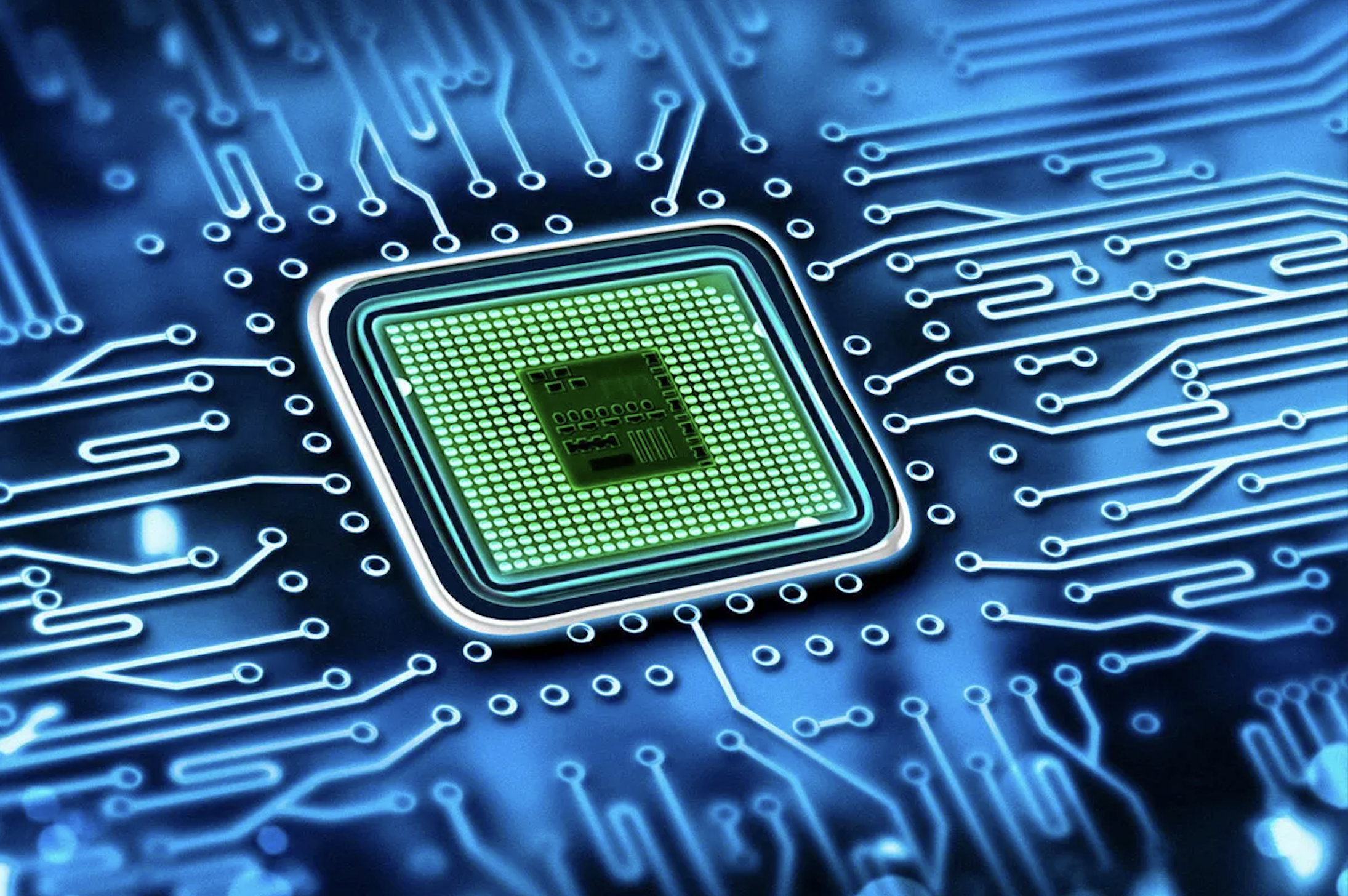
Cutting-edge computing chips are critical to the development of Artificial Intelligence (AI) and the Internet of Things (IoT). AI and IoT rely on a “technical triad” consisting of algorithms, datasets, and — most importantly — computing power to train algorithms and power complex calculations. Computing power enables algorithms to train neural networks more quickly and efficiently — the backbone of AI. In 1975, Gordon Moore, co-founder of Fairchild Semiconductor and Intel, noted that the computing power of new chips roughly doubles every two years. This observation, now known as Moore’s First Law, means that actors at the cutting edge of chip development will possess faster, more efficient, and more powerful AI and IoT devices.
Strategically leveraging AI yields exceptional economic benefits and military advantages. UK-based PricewaterhouseCoopers estimates that AI will add $16 trillion dollars of value to the global economy by 2030. At the same time, the RAND corporation identifies AI as a national security “force multiplier.” That is to say, a smaller force that incorporates AI into its operations could outmatch the capability and capacity of a numerically superior adversary.
The West must exploit its fleeting advantage in advanced chip manufacturing. Currently, the US, Japan, and the Netherlands control more than 90 percent of global chip manufacturing equipment, but China is working quickly to build its market share. Earlier this year, the Trump administration instituted unprecedented export controls on chip manufacturing equipment to China — citing national security concerns over the close relationship between Chinese industry and the People’s Liberation Army. The White House continues pressuring allies to do the same — convincing the Dutch government to cancel the sale of an advanced chip manufacturing machine to China valued at $150 million.
Maintaining the US’ advantage in AI and IoT development requires a coherent strategy with buy-in from industry and allies. Those who side with Professor Dueck in parroting the administration’s “maximum pressure” rhetoric fail to recognize that true maximum pressure is not unilateral; it brings the resources of America’s allies to bear as well. Generating multilateral buy-in necessitates a coherent narrative that explains how partners stand to benefit from safeguarding the US’ advantage in chip manufacturing; “America First” is not sufficient motivation for international allies to, for example, levy sanctions against China.
Moore’s lesser-known second law states that every four years, the cost of building a factory to produce increasingly sophisticated chips doubles — giving a clear advantage to partnerships that pool resources over actors who go it alone. In order to incentivize multilateral cooperation towards this end, the US should establish an international working group with allies — what the Center for a New American Security calls a “Tech 10” — to leverage economies of scale and foreign research in the never-ending race for increasingly advanced computing chips. Regardless of which party wins the upcoming election, building on lessons learned from the past four years will be crucial to ensuring US national security and economic prosperity.
Joseph Bunyard is a first year graduate student in Carnegie Mellon’s Master of Information Technology Strategy program. His interests include emerging technology, information security, and defense modernization. He joined The Triple Helix to connect with students who share similar interests in an open, professional dialogue.




Leave a Reply