

Welcome to the Carnegie Mellon Policy & Law Review
If you’re interested in joining, please see the Join Our Team page where our open roles are listed!



Photo from Electronic Frontier Foundation. What do platforms like Spotify, X, and Instagram have in common? One, they are all platforms for artists around the globe. Two, they are currently experiencing an artist exodus. Artists have increasingly relied on these platforms to promote their work, resulting in a “platformization” of the creative industry and the…



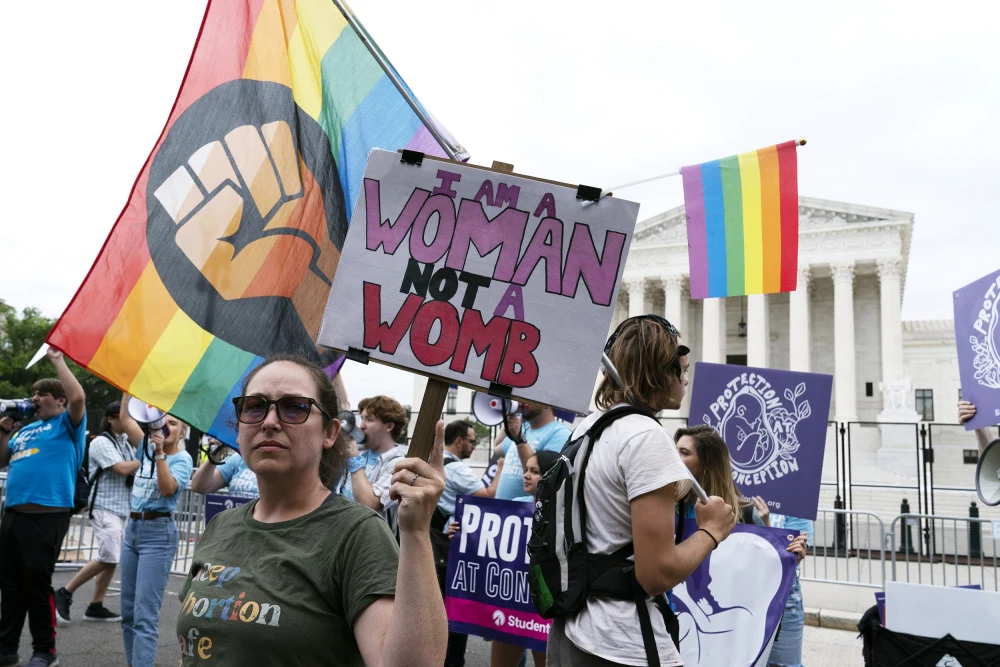


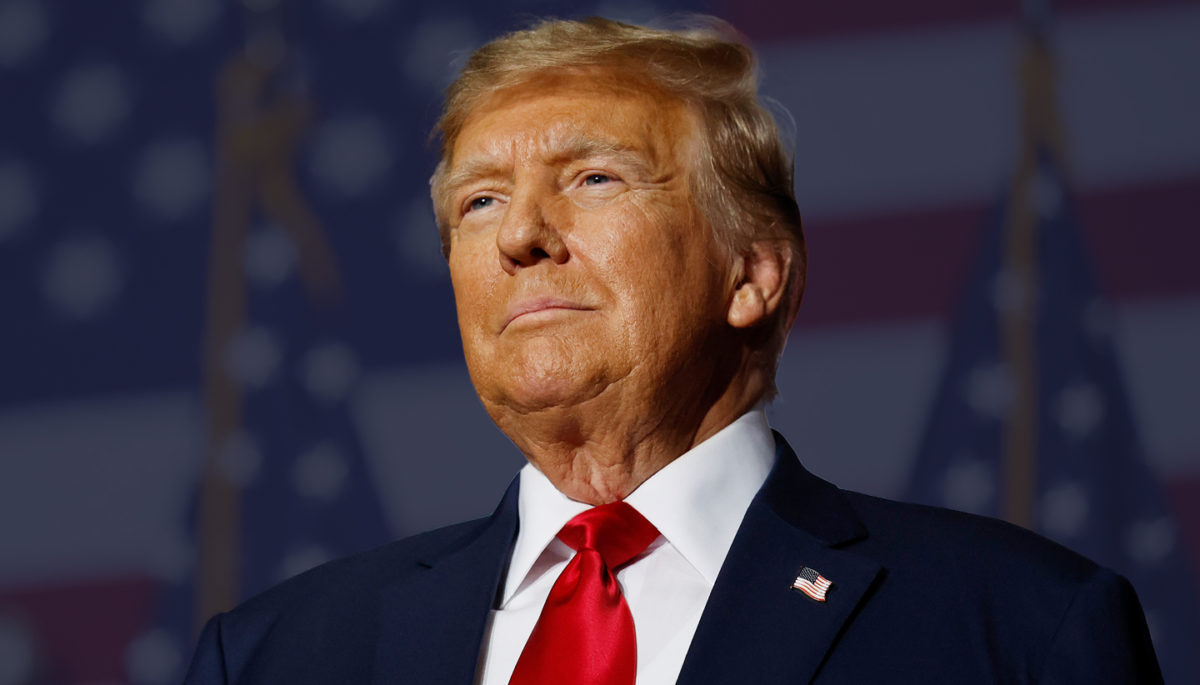


The battle over free speech on college campuses reached a constitutional boiling point in AAUP v. Rubio: on September 30, 2025, Judge William G. Young, a federal judge in Massachusetts, ruled that the Trump administration had violated the First Amendment by arresting, detaining, and deporting noncitizen students and faculty members who had participated in pro-Palestinian…
This paper examines how masculine-coded legal authority suppresses both feminine-coded traits and characters across Billy Budd, Sailor, The Fall, Notes from Underground, and A Jury of Her Peers. Drawing on nineteenth-century ideologies of separate spheres and the gendered origins of Western law, it analyzes lawyer and lawyer-like male figures who embody unyielding masculine-coded features while silencing feminine insight in others and themselves. Yet in each text, the feminine re-emerges as a quiet but powerful moral force, exposing the limits of this rigid legalism. Together, these works reveal how feminine moral weight challenges, destabilizes, and ultimately enriches conceptions of justice.
This article examines the development and impact of Ukraine’s naval drone program from 2022 to 2025, which has played a significant role in Ukraine’s success. Using a novel dataset on Ukraine’s naval drones, this article analyzes how successful these attacks have been as well as their impact on the war. The findings suggest that the naval drones have played a strong role in Ukraine’s success in the Black Sea, and Ukraine will likely continue to succeed, given their focus on developing new technology.
This paper examines the constitutional, ethical, and practical tradeoffs of mandatory age verification laws for social media, with particular focus on NetChoice, LLC v. Fitch. While such measures are framed as efforts to safeguard minors from online harms, they risk undermining free expression, privacy, and equitable access to digital spaces. Drawing on relevant jurisprudence and normative theory, the paper argues that these laws are constitutionally overbroad and ethically troubling. Alternative approaches, including parental controls, digital literacy, and industry standards, offer more proportionate means of protecting children while preserving fundamental rights in an increasingly contested digital public sphere.